

International travel from India has become more common, but many travellers still lose money because of high foreign exchange charges and hidden fees. Using the right forex card can help you save significantly on international trips by offering better exchange rates, lower transaction fees, and safer payments abroad.
This guide explains the best forex cards for international travel from India, how they work, and which one suits your travel style.
Forex cards are prepaid cards that allow you to load foreign currency at a fixed exchange rate. They protect you from daily currency fluctuations and are widely accepted internationally. For Indian travellers, forex cards are one of the smartest ways to manage travel expenses.
Table Of Contents
Why Forex Cards Are Better Than Debit or Credit Cards Abroad

Most Indian debit and credit cards charge foreign transaction fees ranging from two to four percent on every international transaction. On top of that, banks often add markup fees and currency conversion charges. Forex cards usually have lower fees and allow you to lock exchange rates in advance, which helps with budgeting.
Forex cards are also safer than carrying cash. If lost, they can be blocked easily and replaced. Many forex cards come with mobile apps that let you track spending and reload money instantly.
Different Kinds of Forex Cards
Using a forex card is smarter than using debit or credit cards abroad. But not all forex cards are the same. Here’s how they differ so you can pick the best one for your trip and monetise your content with clear intent-based language.
Also Read: 30 Incredible Countries That Give Visa on Arrival to Indians (2026 Updated List)
1. Single Currency Forex Card
A single currency forex card lets you load one foreign currency at a time. For example, if you are going only to Japan, you can load Japanese Yen and spend without repeated conversion fees.
When to use: Best for travellers visiting one country only.
Exchange rates are fixed in advance, which helps with budgeting and reduces hidden charges.
2. Multi Currency Forex Card
A multi currency forex card lets you load multiple currencies on the same card. If you’re travelling to more than one country, this saves conversion costs.
When to use: Ideal for Europe trips or Southeast Asia circuits.
Travellers don’t have to convert money every time they cross a border.
Also Read: How Much Does It Cost to Travel to Thailand in 2026? Complete Budget Breakdown
3. Prepaid Forex Card
This is the most common type. You load money in advance and spend only what you have loaded. It’s like locking your travel money at today’s exchange rate.
When to use: Best for budget travellers or short trips where you want control over spending.
4. Zero Markup Forex Card
Zero markup cards charge no extra conversion fee on foreign transactions. The exchange rate is close to the interbank rate, meaning you save more.
When to use: Great for travellers watching every rupee.
Works well if you shop, dine, and book a lot abroad.
5. Student Forex Card
Student forex cards are designed for students going abroad for studies, exchange programs, or semester stays. They often come with higher ATM withdrawal limits and lower fees.
Example Cards:
Axis Bank Student Forex Card
ICICI Student Forex Card
HDFC Student Forex Card
When to Use: Best for students studying abroad or long-term educational stays.
6. Virtual Forex Card
These cards exist only digitally. They work for online bookings, flight tickets, hotel payments, and ecommerce stores in foreign currencies.
Example Cards:
Wise Virtual Forex Card
Revolut Virtual Card
When to Use: When you want to pay for flights, hotels, or tours before departure. Not always usable for physical stores or ATMs.

7. Forex Debit Card
Some banks offer debit cards optimized for international payments. These are linked directly to your savings account.
Example Cards:
HSBC Forex Debit
Standard Chartered Forex Debit
Axis Bank Forex Debit
When to Use: For travellers who want one card for both Indian and foreign transactions. Check if your bank offers low international charges.
Best Forex Cards for International Travel from India
1. Niyo Global Forex Card
Multicurrency, truly zero markup Forex Card
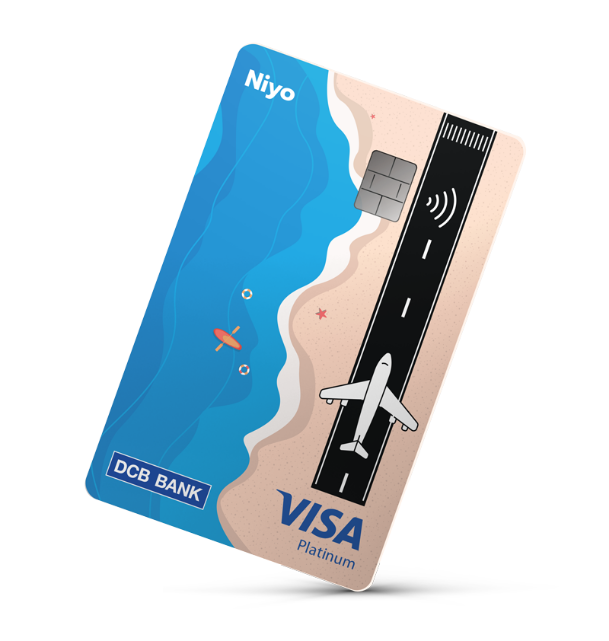
Niyo Global is one of the most popular forex cards among Indian travellers. It offers zero markup on foreign transactions and works like a debit card linked to your account. The card supports multiple currencies and is widely accepted.
Niyo Global is ideal for frequent travellers and long international trips. It also works well in countries like Japan, Thailand, Europe, and the United States. The app interface is simple and makes it easy to track expenses.
/
2. Wise Travel Card
Multicurrency, zero markup(not always zero, but generally low markup) Forex Card
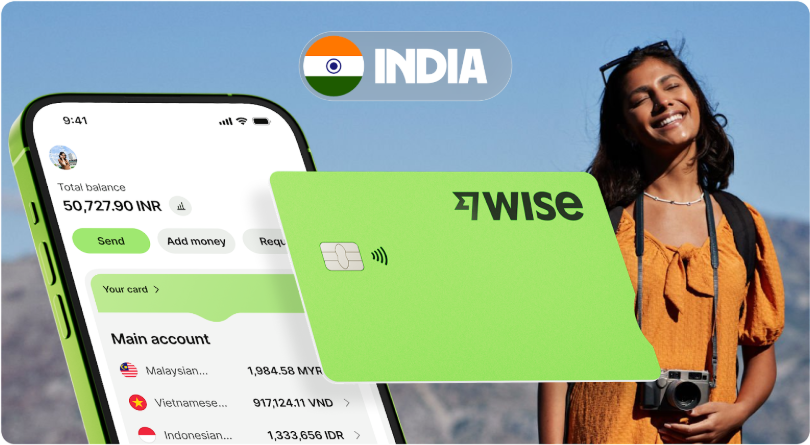
Wise is known for its transparent exchange rates and low conversion fees. The Wise card allows you to hold multiple currencies and convert money at real exchange rates. It is especially useful for travellers who visit multiple countries on a single trip.
Wise is suitable for international travellers who want flexibility and control over currency exchange. It is also popular among digital nomads and students travelling abroad.
3. BookMyForex Forex Card
Prepaid Multicurrency Forex Card

BookMyForex offers competitive exchange rates and doorstep delivery of forex cards in India. The card supports multiple currencies and is accepted globally.
This card is best for travellers who prefer prepaid forex solutions and want to avoid complicated banking procedures. It is commonly used for short international trips.
4. ICICI Multi Currency Forex Card
Single Currency Forex Card

The ICICI Multi Currency Forex Card is a popular option among Indian travellers who prefer using a large traditional bank.
This card allows you to load multiple foreign currencies on a single card and use it across different countries during your international trip.
One of the main advantages of the ICICI forex card is its wide acceptance and strong customer support network. It is especially useful for travellers visiting Europe, the United States, the United Kingdom, and Southeast Asia. The card offers better exchange rates than regular debit or credit cards and helps reduce foreign transaction charges.
ICICI forex cards are suitable for travellers who want reliability, bank backed security, and easy reloading through net banking or branches. While the fees may be slightly higher compared to newer fintech cards, many travellers prefer ICICI for peace of mind and global acceptance.
This card works well for family trips, long vacations, and travellers who want a dependable forex solution with strong bank support.
5. HDFC Regalia ForexPlus Card
Multicurrency Forex Card

The HDFC Regalia ForexPlus Card is designed for international travellers who want a premium forex card experience. It supports multiple currencies and is widely accepted across international merchants and ATMs.
This card is especially useful for frequent travellers and business travellers who already use HDFC banking services. It offers competitive exchange rates and allows users to lock currency rates in advance, which helps with budgeting international travel expenses.
HDFC Regalia ForexPlus cards come with added benefits such as global assistance and easy management through HDFC channels. It is a good choice for travellers visiting high cost destinations where secure and widely accepted payment methods are important.
This card is best suited for travellers who value brand trust, global usability, and premium banking support over ultra low fees.
How to Choose the Best Forex Card for Your Trip
Choosing the right forex card depends on your travel destination, trip duration, and spending habits. If you want zero markup fees and simple usage, Niyo Global is a strong option. If you are travelling to multiple countries, Wise offers better flexibility. For prepaid convenience, BookMyForex and Thomas Cook work well.
Always check currency availability, reload charges, ATM withdrawal fees, and customer support before choosing a forex card.
Forex Card vs International Debit Card vs Credit Card
Forex cards usually offer better exchange rates and lower fees compared to debit and credit cards. Credit cards are useful for emergencies and hotel deposits but can be expensive for daily spending.
Debit cards may work internationally but often come with high transaction fees.
The best approach is to use a forex card for daily expenses and keep a credit card as backup.
The best approach is to use a forex card for daily expenses and keep a credit card as backup.
Common Mistakes Indians Make While Using Forex Cards
Many travellers forget to check currency conversion charges and ATM fees before using a forex card.
Some also rely entirely on one card instead of carrying a backup. Another common mistake is not checking card acceptance in cash heavy countries like Japan.
Always carry some local cash and keep at least one backup payment method.
Are Forex Cards Mandatory for International Travel
Forex cards are not mandatory, but they are highly recommended for international travel from India. They help reduce costs, improve payment security, and simplify expense tracking.

Subscribe to never miss a post!
Leave a Reply